Follow Me On Social Media!

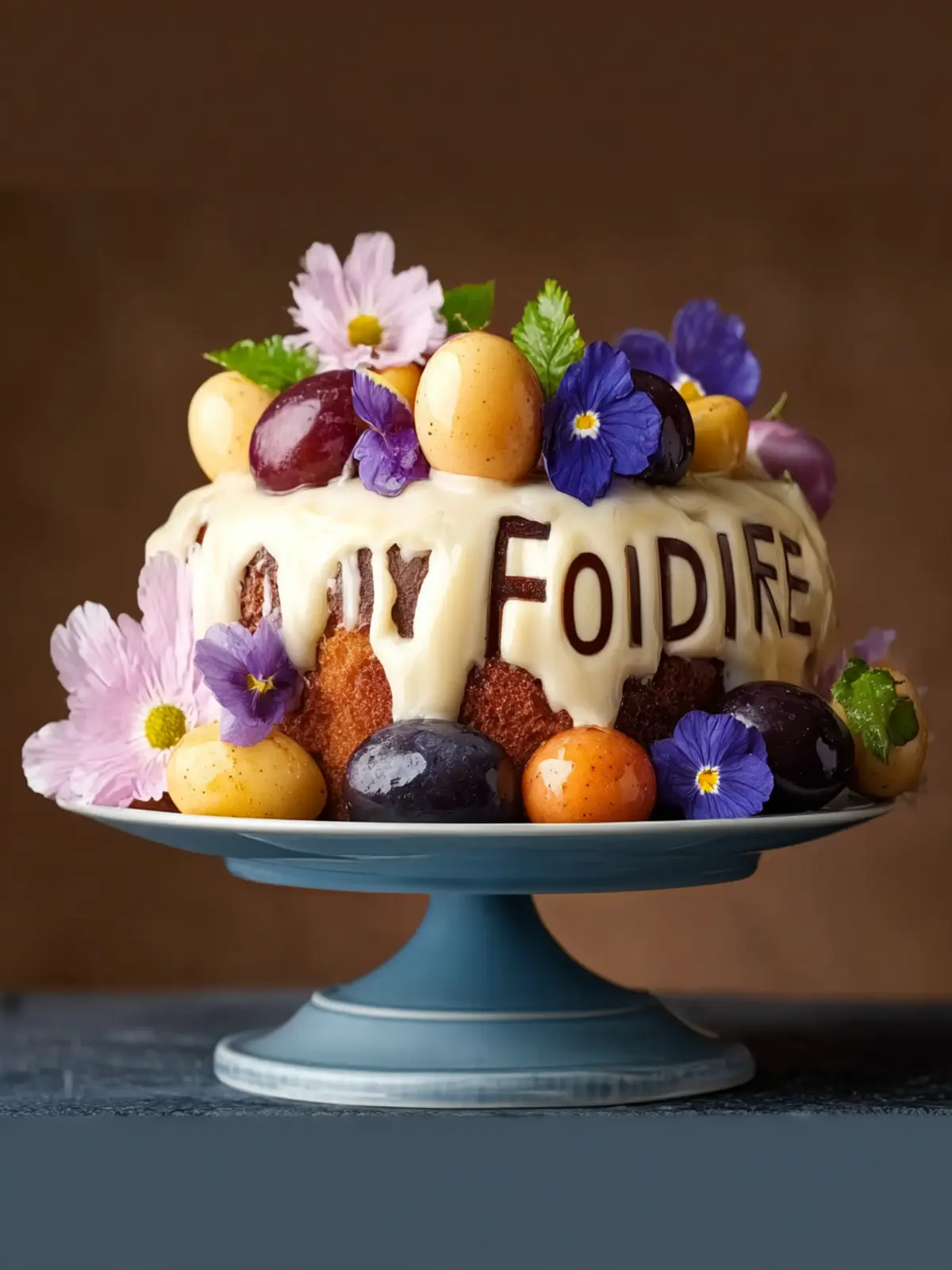
Easter Simnel Cake: The Best Creamy Recipe to Wow Your Guests

Introduction to Easter Simnel Cake
Easter Simnel Cake is more than just a delightful treat; it’s a heartfelt tradition that has been passed down through generations. Originating from the medieval period, this cake is a beautiful symbol of celebration during the Easter season, representing joy, renewal, and the arrival of spring. As we dive into making this delicious cake, you’ll discover how each layer of flavor and texture tells its own story, making your Easter gatherings even more special.
The Joy of Baking Traditions
There’s a unique kind of joy that comes from baking traditions like the Easter Simnel Cake. This cake holds a significant place in the hearts and homes of many families, especially in the UK. It’s typically made during Lent and enjoys a rich history tied to the celebration of Easter. Families would often bake this cake to mark the end of the Lenten fasting period, decorating it with eleven marzipan balls that symbolize the apostles, minus Judas. Each ball represents unity and the joy of togetherness—what a lovely sentiment to share at Easter!
For many, baking isn’t just about the final product; it’s a way to connect with loved ones, to share stories while mixing the batter, and to create new memories around the table. Whether you’re a seasoned baker or a novice, the process of creating an Easter Simnel Cake invites you to savor the simple moments of life.
As the delightful aromas waft through your kitchen, they transport you to a time when baking was done lovingly and fully engaged, sans technology. You might find yourself reminiscing about childhood memories of family gatherings or even imagining your future Easter celebrations filled with laughter and love gathered around this very cake. So, grab your ingredients and let’s embark on this baking journey together! With every stir and layer, you’re not just creating a cake; you’re crafting a piece of culinary history that can be enjoyed for years to come.
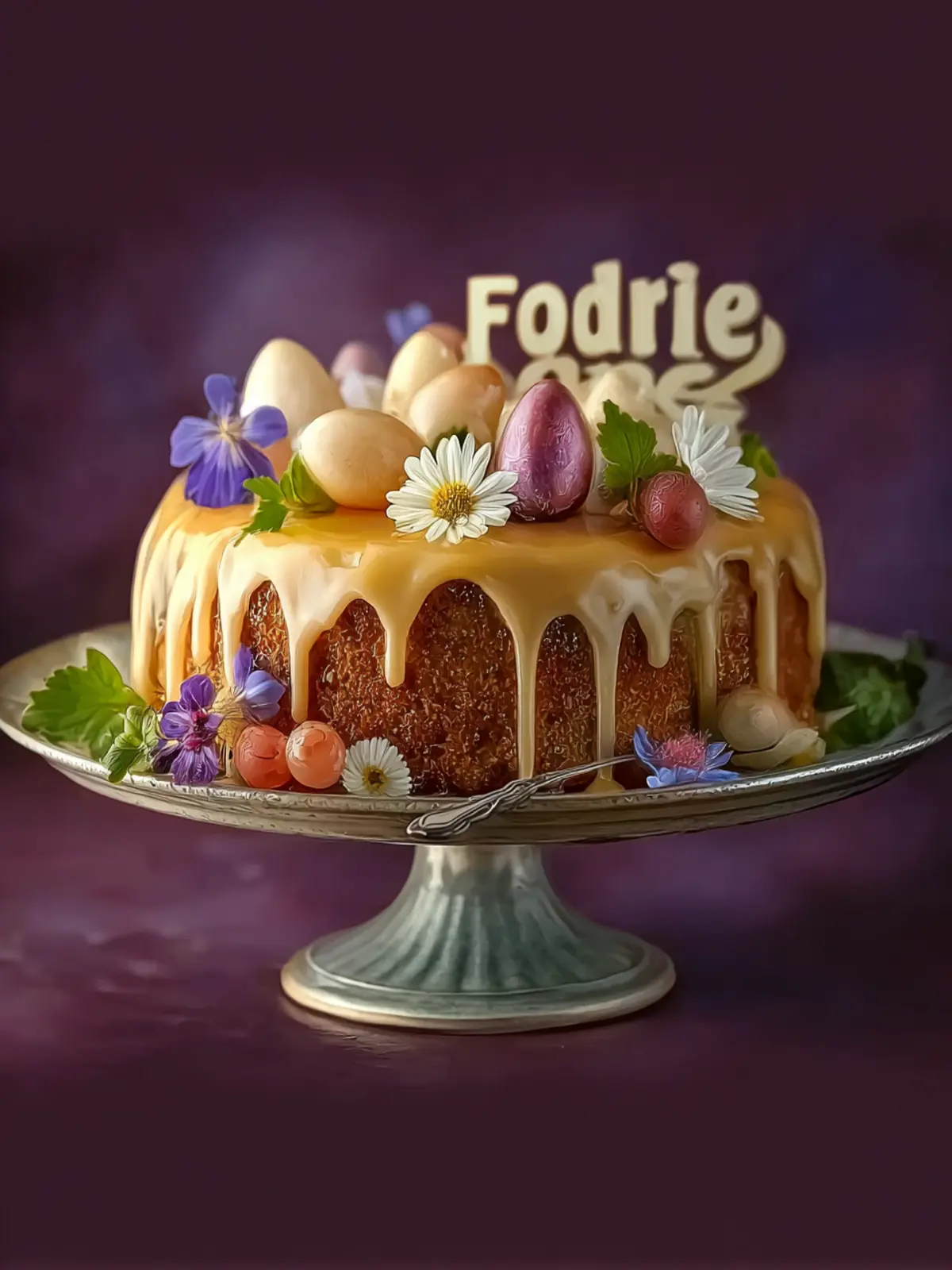
Key Ingredients for Easter Simnel Cake
Baking an Easter Simnel Cake is a delightful tradition that brings flavors and memories to life. This cake tells a story of celebration, blending ingredients that create a rich and delectable experience. Let’s break down these key ingredients that make your Simnel Cake truly special.
Unsalted Butter: The key to richness and moisture
Using unsalted butter ensures you have full control over the saltiness of your cake. It adds the essential richness and moisture, making every bite decadent and satisfying.
Light Brown Sugar: Adds a delicious hint of caramel sweetness
Light brown sugar infuses your cake with a subtle caramel flavor. Its slight molasses undertone works harmoniously with the spices and fruits, creating a well-rounded sweetness that’s hard to resist.
Large Eggs: Crucial for structure and moisture retention
The large eggs in this recipe contribute to the structure and help retain moisture. They bind the ingredients together, providing that perfect light texture we all crave in a cake.
Lemon Juice: Balances out the sweetness with a zesty note
A touch of lemon juice brightens the cake and cuts through the richness, enhancing the overall flavor. It’s that secret ingredient that lifts everything, giving a refreshing zing.
Vanilla Extract: Takes the flavor to the next level
Vanilla extract adds depth and warmth, ensuring your Simnel Cake is not only delicious but memorable. This classic flavor combination makes every slice alluring.
All-Purpose Flour: Forms the essential structure of the cake
All-purpose flour is the backbone of any cake, providing the necessary structure. It ensures your Easter Simnel Cake rises perfectly while maintaining a tender crumb.
Baking Powder and Baking Soda: Ensure the perfect rise
A combination of baking powder and baking soda helps your cake achieve that perfect rise while keeping it moist and fluffy. They work together to create an airy texture that everyone loves.
Salt: Enhances all the flavors
Salt is often underestimated, but it plays a crucial role. A pinch enhances every flavor, making the sweet notes pop and balancing the cake beautifully.
Orange Zest: Introduces a refreshing brightness
A bit of orange zest brings a zesty brightness that complements the dried fruits and adds a lovely fragrance to the cake. It’s a playful twist that elevates the overall experience.
Dried Fruits: Adds texture and delightful bursts of flavor
The dried fruits, such as sultanas and currants, provide delightful bursts of sweetness and texture, creating pockets of flavor throughout the cake. They’re a traditional touch that honors the cake’s history.
Apricot Jam: Provides a sweet glaze that ties everything together
Apricot jam, when used as a glaze, not only adds sweetness but also brings a beautiful shine to your baked creation. It helps to seal in moisture, keeping the cake fresh longer.
Marzipan: For that beautiful finishing touch
Finally, marzipan forms the iconic layer that adorns your Easter Simnel Cake. It’s synonymous with this dessert, making it festive and visually stunning, while also contributing a sweet almond flavor.
By using these carefully selected ingredients, you create more than just a cake; you offer a piece of tradition that’s meant to be shared and savored. Happy baking!
Why You’ll Love This Easter Simnel Cake
A Perfect Blend of Tradition and Flavor
Imagine gathering with friends and family, the scent of freshly baked Easter Simnel Cake wafting through the air—this delightful treat is not just a dessert; it’s a symbol of the Easter season. The history behind this cake dates back to medieval times, and every slice tells a story of tradition blended with modern flavors.
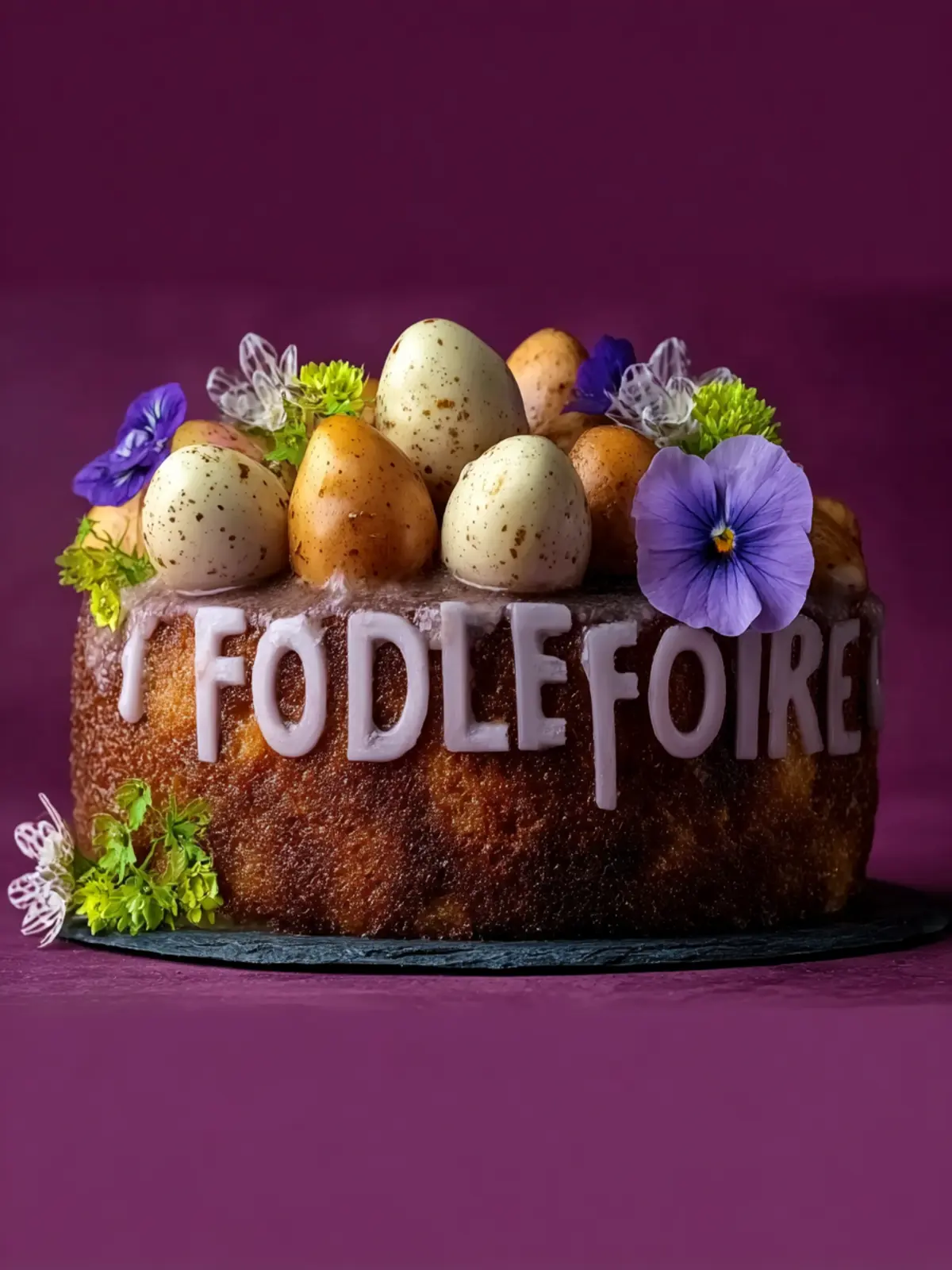
The Easter Simnel Cake is a luscious fruitcake, rich in spices and vibrant with dried fruits, making it a truly enjoyable indulgence. The cake is layered with marzipan, offering a sweet, nutty contrast that elevates each bite. It’s traditionally adorned with eleven marzipan balls, signifying the apostles, minus Judas.
You’ll find this cake is surprisingly moist, thanks to the use of butter and eggs, and the flavors deepen beautifully over time—perfect for savoring in multiple sittings. Whether you’re hosting an Easter brunch or simply treating yourself, this cake is sure to impress.
Cooking can often feel like a chore, but this delightful Easter Simnel Cake invites creativity. Pair it with a cup of tea, and you’ll find yourself embracing the moment, making it a lovely addition to not only your Easter celebration but to any spring gathering. What’s not to love about a cake filled with flavor and history?
Tips for Baking the Perfect Easter Simnel Cake
Creating your own Easter Simnel Cake is a delightful tradition that celebrates warmth and indulgence. Whether you’re hosting a spring brunch or enjoying a cozy afternoon with friends, knowing a few baking essentials can make all the difference.
Essential Baking Tips for Success
- Choose Quality Ingredients: Using high-quality butter and fresh eggs will enhance the flavor and texture of your Easter Simnel Cake. Aim for free-range eggs for that rich golden hue.
- Layer Wisely: When baking, make sure to incorporate the marzipan not just on top but also within the cake. This adds moisture and that classic almond flavor everyone loves.
- Preheat Your Oven: Always start with a well-preheated oven. This helps your cake rise evenly and prevents any sinking in the middle.
Quick Fixes for Common Baking Problems
- Dry Cake: If your cake turns out drier than expected, brush it with some simple syrup or fruit juice right after it cools. This will add immediate moisture.
- Cracked Surface: To reduce cracking, ensure you’re using the right baking temperature. Lowering the temperature slightly can help keep your Easter Simnel Cake from feeling too much heat at once.
- Sticky Marzipan: If your marzipan is too sticky to roll out, lightly dust your work surface and the marzipan with icing sugar to help manage the stickiness.
With these friendly tips, you’ll be well on your way to crafting a delicious Easter Simnel Cake that will impress your guests and make your Easter celebration unforgettable. Happy baking!
Time Breakdown for Easter Simnel Cake
Easter Simnel Cake is a delightful tradition that brings families together during the festive season. Understanding the time involved in creating this rich, fruit-filled cake helps you plan and enjoy the process, ensuring your culinary creation is as perfect as possible.
Preparation Time
To start your journey with the Easter Simnel Cake, set aside about 30 minutes for preparation. This includes gathering your ingredients and mixing the batter to create that luscious base.
Baking Time
The actual baking will take around 1 hour. This is when the magic happens, as the cake rises and gets infused with the flavors of the fruits and spices.
Cooling Time
Once baked, allow the cake to cool for about 1 hour. This step is vital for easy handling and perfect icing later on.
Total Time
In total, you’ll be looking at about 2 hours from start to finish for your Easter Simnel Cake. It’s a manageable time investment for a dessert that’s sure to impress!

Nutritional Facts for Easter Simnel Cake
Easter Simnel Cake is a delightful tradition that brings families together, but understanding its nutritional profile helps you enjoy it mindfully.
Calories per Serving
Each slice of Easter Simnel Cake typically contains around 350 calories, making it a rich treat for festive celebrations.
Protein Content
With about 6 grams of protein per slice, this cake offers a small boost to your daily intake, especially thanks to the eggs and nuts.
Sugar Levels
The cake packs approximately 25 grams of sugar per serving. It’s definitely a sweeter slice, so enjoy in moderation!
Dietary Considerations
While the Easter Simnel Cake contains gluten and sugar, it can be adapted for gluten-free diets by using alternative flours. Additionally, consider using less sugar or natural sweeteners if you want a lighter version.
FAQs about Easter Simnel Cake
When discussing Easter Simnel Cake, its rich history and delightful flavors often spark curiosity. This traditional cake isn’t just a tasty treat; it represents centuries of Easter celebration, making it a beloved favorite in many households.
What is the history behind Easter Simnel Cake?
The origins of Easter Simnel Cake date back to the Middle Ages. Traditionally, it was baked for Mothering Sunday, but over time, it became associated with Easter. The eleven marzipan balls on top represent the apostles, minus Judas. This festive cake serves as a symbol of new life and rebirth—perfectly fitting for the Easter season.
Can I make this cake ahead of time?
Absolutely! Easter Simnel Cake only gets better with time. You can bake it up to a week in advance. Just be sure to keep it well-covered to maintain its moisture and flavor. This is particularly handy if you have a busy Easter week planned.
How should I store leftovers?
If you find yourself with leftover cake—although I doubt it will last long!—store it in an airtight container at room temperature. It should stay delectably fresh for about 5-7 days. You can also refrigerate it, but ensure it’s well wrapped to avoid drying out.
What alternatives can I use for dried fruits?
In case you’re not a fan of traditional dried fruits, you can easily swap them out in your Easter Simnel Cake recipe. Consider using:
- Chopped nuts for a crunchy texture.
- Different dried fruits like apricots or figs for added sweetness.
- Even chocolate chips if you want a more indulgent twist.
Feel free to get creative—baking is all about personal preference!
Conclusion on Easter Simnel Cake
A Delicious Tradition Worth Sharing
Creating an Easter Simnel Cake is not just about baking; it’s about embracing a rich tradition that celebrates both the joy of spring and the spirit of Easter. This cake, layered with almond paste and topped with 11 marzipan balls, each representing a disciple (minus Judas), makes for a stunning centerpiece for any Easter gathering. Sharing this cake with family and friends can bring back fond memories and spark new ones. As you slice into its spiced layers, remember that every bite is a taste of history, flavor, and love — a delightful tradition truly worth keeping alive. Happy baking!
Print
Dried Fruit Bundt Cake
- Total Time: 1 hour 20 minutes
- Yield: 12 servings 1x
- Diet: Vegetarian
Description
A moist and flavorful bundt cake enhanced with dried fruits and a sweet apricot glaze.
Ingredients
Scale
- 1 cup Unsalted Butter
- 1 cup Light Brown Sugar
- 4 large Eggs
- 1 tablespoon Lemon Juice
- 1 teaspoon Vanilla Extract
- 2 cups All-Purpose Flour
- 1 teaspoon Baking Powder
- 1 teaspoon Baking Soda
- 1/2 teaspoon Salt
- 1 tablespoon Orange Zest
- 2 cups Dried Fruits
- 1 cup Apricot Jam
- 1 cup Marzipan
Instructions
- Preheat your oven to 350°F (175°C) and grease a bundt pan.
- In a mixing bowl, whisk together the flour, baking powder, baking soda, and salt.
- In a separate bowl, cream together the butter and brown sugar until light and fluffy. Gradually add the eggs.
- Blend in the lemon juice, vanilla extract, and zests until fully combined.
- Gradually add the flour mixture in three parts, mixing until just combined. Fold in the soaked dried fruits.
- Pour the batter into the prepared bundt pan and bake for 45-50 minutes until a toothpick comes out clean.
- Allow the cake to cool in the pan for 30 minutes, then invert on a wire rack to cool completely.
- Heat the apricot jam in a saucepan until pourable, then spread over the cooled cake.
- Roll out the marzipan and place it on top of the glazed cake.
Notes
- Substitute margarine for a dairy-free option.
- Coconut sugar can lower the glycemic index.
- Use a chia egg for a vegan alternative.
- Lime can be used as a substitute for lemon juice.
- Opt for gluten-free flour if needed.
- Ensure baking powder and baking soda are fresh for best results.
- Soak dried fruits in brandy for richer flavor.
- Any fruity jam can substitute for apricot jam.
- Prep Time: 30 minutes
- Cook Time: 50 minutes
- Category: Desserts
- Method: Baking
- Cuisine: American
Nutrition
- Serving Size: 1 slice
- Calories: 350
- Sugar: 20g
- Sodium: 200mg
- Fat: 15g
- Saturated Fat: 8g
- Unsaturated Fat: 5g
- Trans Fat: 0g
- Carbohydrates: 50g
- Fiber: 2g
- Protein: 5g
- Cholesterol: 100mg